

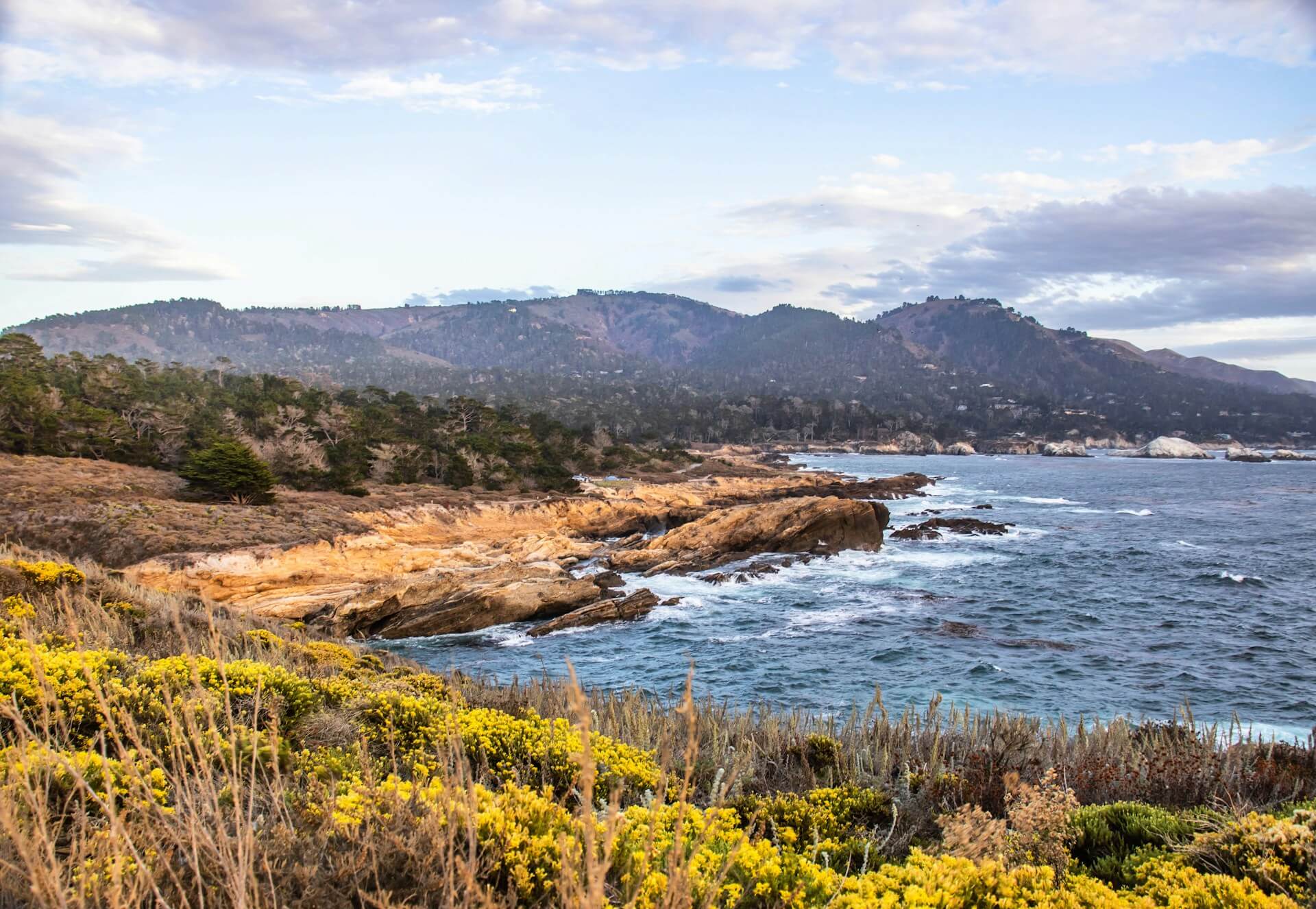
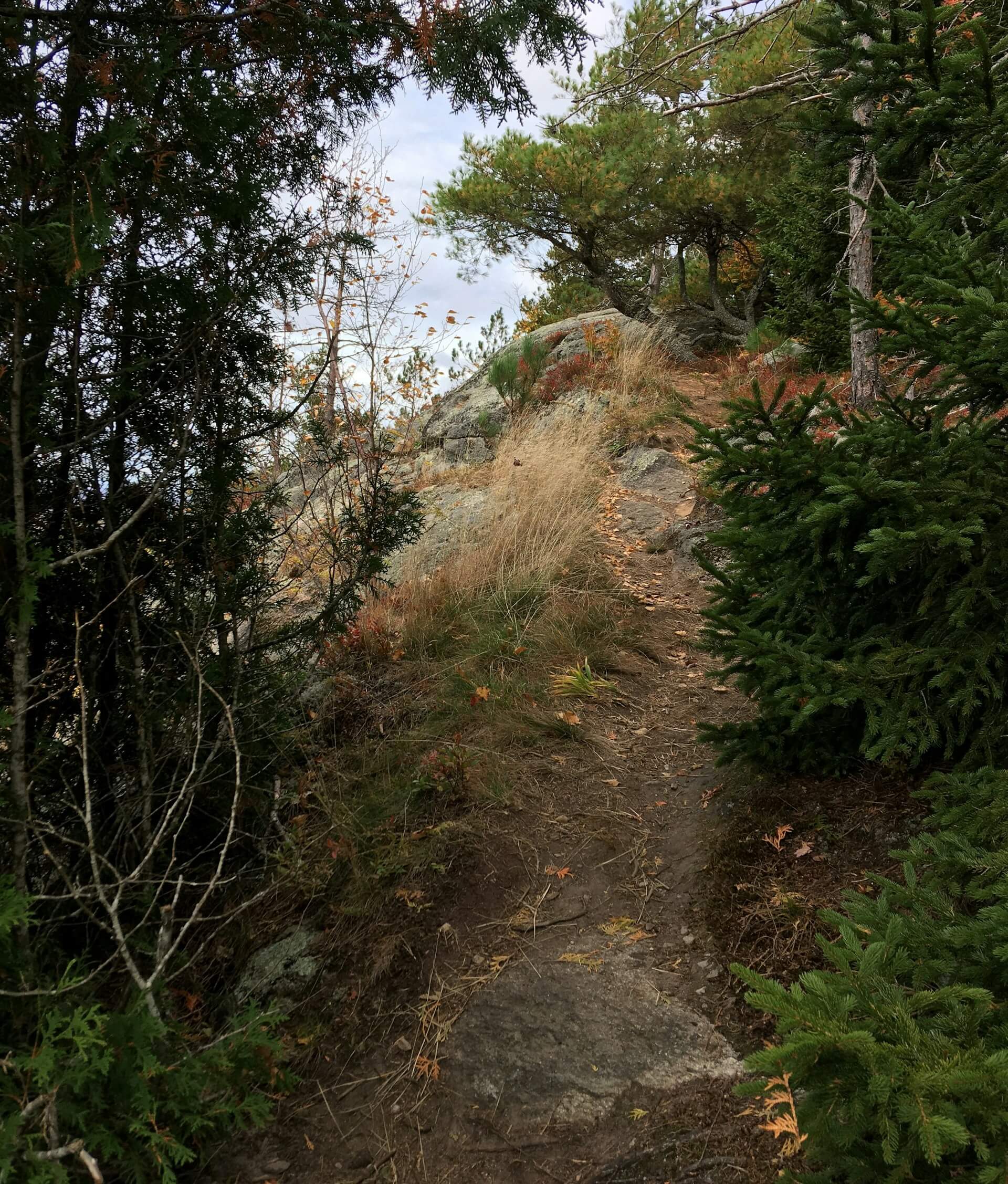
On any trail, there is always someone ahead or behind. I thought about this as my wife and I hiked in Point Lobos State Park reserve, just outside Carmel. As we followed the North Shore Trail, we would occasionally encounter other hikers. Some came up from behind us, while others came to meet us.
The day was perfect. The sun was out, undeterred by the infrequent banks of fog drifting over us. The fog vanished quickly into the rocks and foliage.
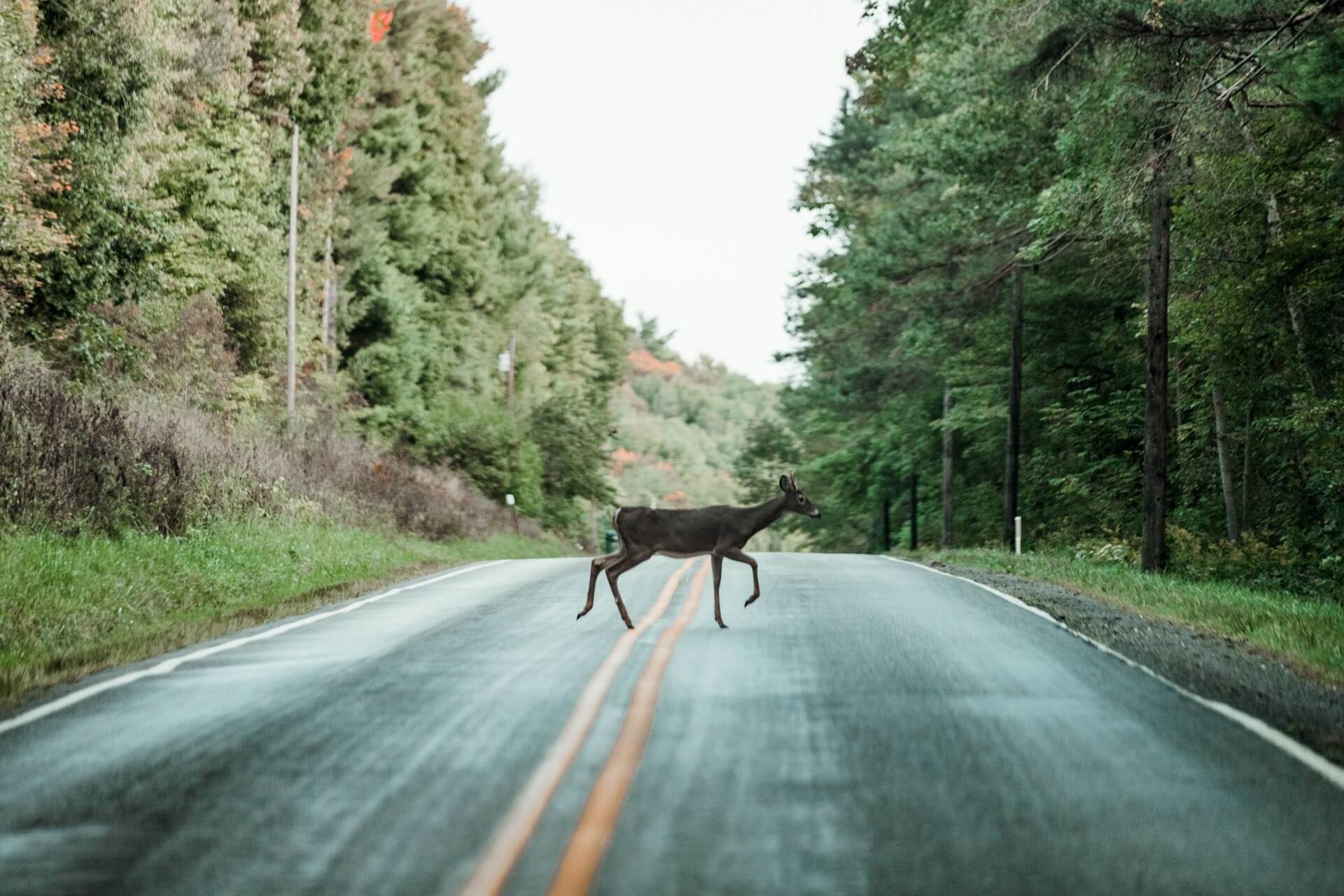
Already we had come face to face with two deer. They stood on a large boulder and watched us with as much curiosity as we did them. There was no trace of fear in their dark, moist eyes.
We soon saw a couple walking toward us. It was a woman and a young man we soon learned was her son. Friendly, they stopped to talk. My wife and I stood bunched together with them on the narrow trail, on the lookout for poison oak on either side. The woman was out of breath. She announced quickly that she had emphysema but was surprised that she could walk so well on the park trails. Better than walking in the city, she declared. No exhaust here, I said. She nodded in agreement, then patted her shirt pocket. I have my trusty inhaler if I need it, she told us.
Well, we all had our frailties, our weaknesses, and all the good and bad we kept stored inside our memories. As humans, we are constantly rediscovering what it means to be us. Getting out of oneself, however it is accomplished, is a way to learn more, not only about the world, but about ourselves.
Well, we all had our frailties, our weaknesses, and all the good and bad we kept stored inside our memories. As humans, we are constantly rediscovering what it means to be us. Getting out of oneself, however it is accomplished, is a way to learn more, not only about the world, but about ourselves.
We went our separate ways. My wife and I chose to follow the Sea Lion Point Trail. Through the trees, the barks of seals seemed to float on the air. But before we got to the place where we might see the seals, a woman suddenly appeared behind us.
I'm truly lost, she said, but there was a smile on her face. We understood. If one could choose a place to be lost, this might as well be it. After comparing maps for a few moments, the woman took off in the opposite direction. Watching her disappear into the landscape of flowers and trees and rocks, I wondered how it would be to walk these trails alone. I mean, there is the peace of solitude, and then there can also be loneliness. Given the woman's smile, my guess is that she was enjoying the peace. Who knows what she encountered in the months and years that led to this trail, on highways and through relationships.
An hour or so later, we found ourselves at Moss Cove, a peaceful place with large rocks rising from the water to break the stronger waves. The result was a tranquil place from which to watch the sea. Two years before, we had come to this same spot. There is a serenity, and perhaps sacredness, about it. We stayed a good while looking out over Moss Cove. I could stay here forever, my wife said. I agreed. Maybe, when the time came, we would have our ashes scattered here. One of us would do this for the other. Or perhaps a relative or a friend could bring both our ashes here in due course. Who could know when? But it would be a way of staying, forever. We liked this idea and hoped that it could happen someday.
Walking away from Moss Cove was like leaving a shrine or maybe departing a very special ceremony. We walked with a new kind of exhilaration. We did not want to leave, but for now, it was time to go. Later, maybe later we thought as we walked.
On Granite Point Trail, I could see a couple coming our way. They wore backpacks with easels strapped across them. I was not surprised when we all paused in our tracks. The man asked, "Is there anything to paint over there?" He was pointing over our shoulders in the direction of Moss Cove. His wife looked at us expectantly.
"You'll find much to paint," my wife said. "Well," the man told us, "I do landscapes, but my wife is looking for a building to paint." "Then she won't be disappointed," I told him. I explained that, while the husband painted the land and rocks and water, his wife could paint the Carmelite Monastery, easily seen from Moss Cove.
Seeming pleased, they walked on. And we walked away. But we hoped we would be back, for a short visit, or maybe for always. On any trail, there is always someone ahead or behind. Perhaps some trails just go on and on. So much depends on memory and time.


Comments