


Lately, I’ve developed a small obsession: listening to audiobooks while I walk my dog August. We take two long walks a day and my eyes also get tired now when I read – so this new practice is a win-win.
I don’t listen with earphones. Never earphones. I need to hear from the world as well. The scrape of a jogger’s shoes on the pavement behind me, the low argument of murderous crows in the trees, and a sudden bark from behind a fence that startles both of us. So, I carry a small Bose speaker in my hand, my private lecture hall open to the open air.
At the moment, I’m listening to The Way of Nagomi by Ken Mogi. It feels like the right book for the moment we’re in. Or, as the old saying goes—often misattributed but stubbornly persistent—may you live in interesting times. A phrase said to be both a curse and a blessing. These days, it feels like we’re getting both, whether we like it or not.
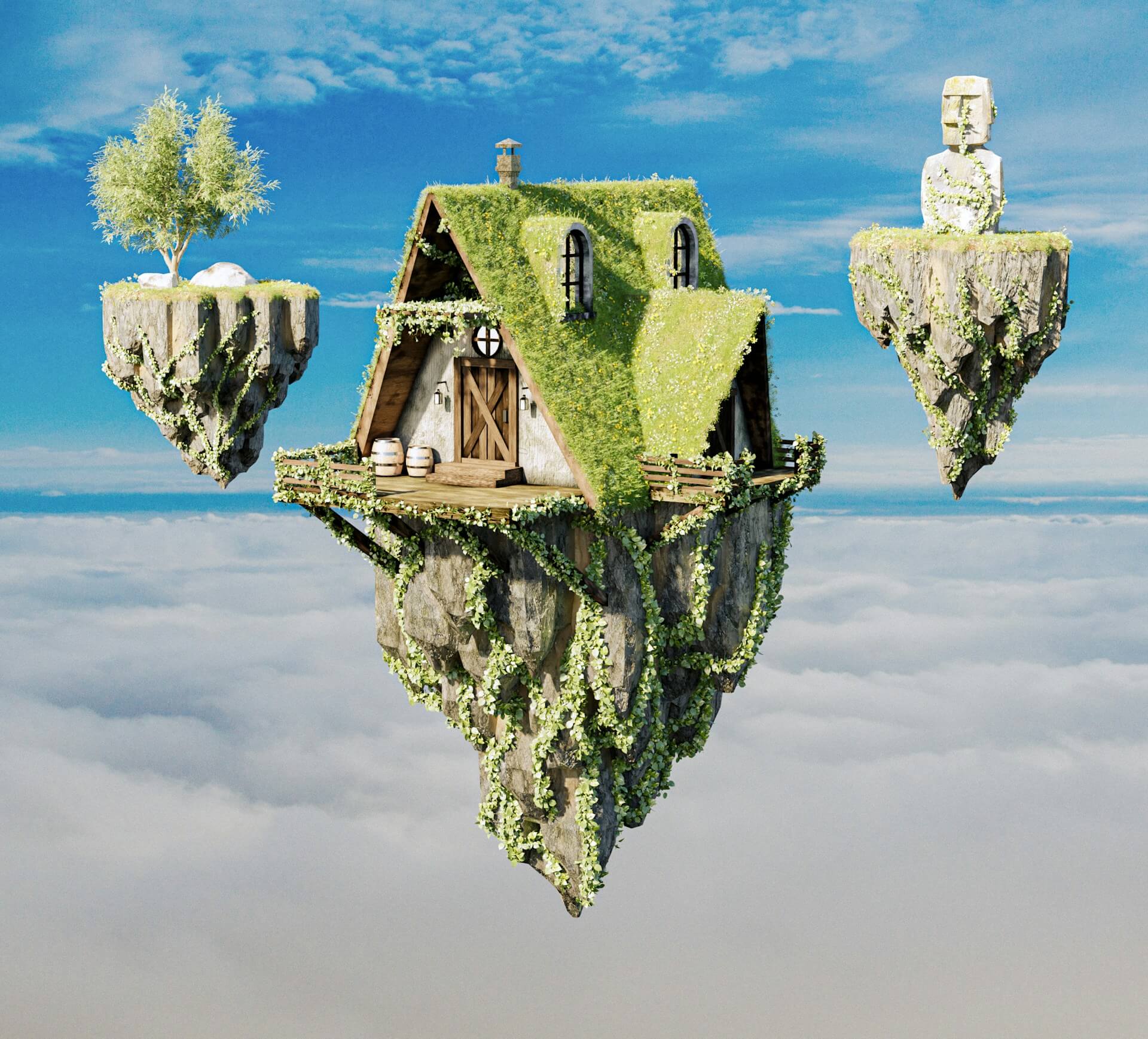
There’s a Japanese idea that pairs well with this sense of living unmoored: ukiyo (浮世), “Floating World.” Originally, the term carried a Buddhist sense of impermanence and sorrow, inherent in a world that’s in constant state of flux. Later, ukiyo came to describe a life lived amid fleeting pleasures and passing moments, where beauty, danger, and uncertainty drift side by side.
It’s hard not to recognize ourselves in that description.
The news floats. Certainty floats. Even our sense of what matters most seems to bob and tilt depending on the hour. Nothing lands for long and the stress of it doesn’t arrive all at once. It accumulates, like a low-grade hum in the nervous system. We carry a tightness without noticing it until something small finally pushes us over the edge.
This is where nagomi enters. Not as an escape from the floating world, but as a way of living inside ukiyo without being swallowed up by it.
Nagomi is often translated as harmony or balance, but Ken Mogi describes it more precisely as the ability to find equilibrium amid complexity. Not by eliminating tension, but by allowing opposing forces to coexist. Nagomi doesn’t seek resolution. Instead, it asks for attunement. The world doesn’t have to calm down before you do.
What strikes me most, listening as I walk, is how physical this idea is. Nagomi isn’t a mindset you adopt once and keep forever. It’s something practiced through the senses. Through pacing, attention, breath, and restraint. It shows up in how we listen, how we speak, how quickly we rush to judgment or perhaps hold back our words just a moment longer.
That feels quietly radical right now. We are constantly encouraged to react faster, louder, and more decisively. To declare, defend, and double down. Nagomi suggests something else entirely. Soft Strength. The ability to stay present without becoming rigid. To remain open without being undone in the process.
On my walks, that balance plays out in small, almost invisible ways. The audiobook voice fades as a truck passes. My dog stops, absorbed by a smell that clearly contains the secrets of the universe. I let the moment be inefficient. Unresolved. And nothing terrible happens.
Mogi writes about nagomi as a state that welcomes contradiction, explaining that life is rarely one thing or another, but several things at once. Stress and gratitude. Fear and beauty. The curse and the blessing of interesting times, woven together.
I find that idea unexpectedly comforting.
It doesn’t ask me to be relentlessly hopeful. It doesn’t ask me to disengage. It asks me to notice when I’m hardening, and, when possible, to soften instead. To adjust my stance rather than demand that the world stabilize itself on my behalf.
Nagomi won’t fix the floating world, but it might change how I move through it.
As I turn back toward home, the audiobook continues, the neighborhood wakes up, and my good dog August, who has no opinion whatsoever about global affairs, walks on, steady and curious. The world floats. We listen. We adjust. We keep going.
Falling leaves fly
wind loosens what I hold tight
steps keep me balanced
wind loosens what I hold tight
steps keep me balanced
Addendum: Practicing Nagomi in the Floating World (Ukiyo)
Nagomi is not a goal. It’s a returning. In the floating world nothing stays where we place it. Moods shift. Meanings drift. The ground tilts just enough to remind us not to grow careless. Nagomi begins when we stop demanding that life hold still for us.
Allow opposites to sit together.
In Japanese thought, harmony is not sameness. It is difference held without fracture. Let worry and gratitude share the same breath. Let grief walk beside beauty. This, too, is balance.
In Japanese thought, harmony is not sameness. It is difference held without fracture. Let worry and gratitude share the same breath. Let grief walk beside beauty. This, too, is balance.
Change the rhythm, not the song.
You don’t need to step away from the world to find nagomi. Simply slow one movement. One sentence. One step. In ukiyo, speed makes us brittle. A softened tempo restores our shape.
You don’t need to step away from the world to find nagomi. Simply slow one movement. One sentence. One step. In ukiyo, speed makes us brittle. A softened tempo restores our shape.
Return to the senses.
Listen before you interpret. Feel the air before you name it. Nagomi lives in the body in sound, weight, temperature, and pauses. When the world becomes too abstract, come back to what you can touch.
Listen before you interpret. Feel the air before you name it. Nagomi lives in the body in sound, weight, temperature, and pauses. When the world becomes too abstract, come back to what you can touch.
Leave space.
Japanese aesthetics honor what is unfinished, unsaid, unresolved. Not every question needs an answer today. Not every moment requires your opinion. Nagomi trusts the silence to do some of the work for us.
Japanese aesthetics honor what is unfinished, unsaid, unresolved. Not every question needs an answer today. Not every moment requires your opinion. Nagomi trusts the silence to do some of the work for us.
Choose softness first.
Before you harden, defend, or correct, try to soften. This is not retreat. It is alignment. In nagomi, gentleness is a form of strength that need not announce itself.
Before you harden, defend, or correct, try to soften. This is not retreat. It is alignment. In nagomi, gentleness is a form of strength that need not announce itself.
Finally, living in ukiyo means accepting impermanence. Practicing nagomi means meeting it without fear. The world will continue to float. Our task is not to anchor it, but to learn how to move through it attentive, balanced, and awake. Learning to walk as the world drifts on.




Comments