

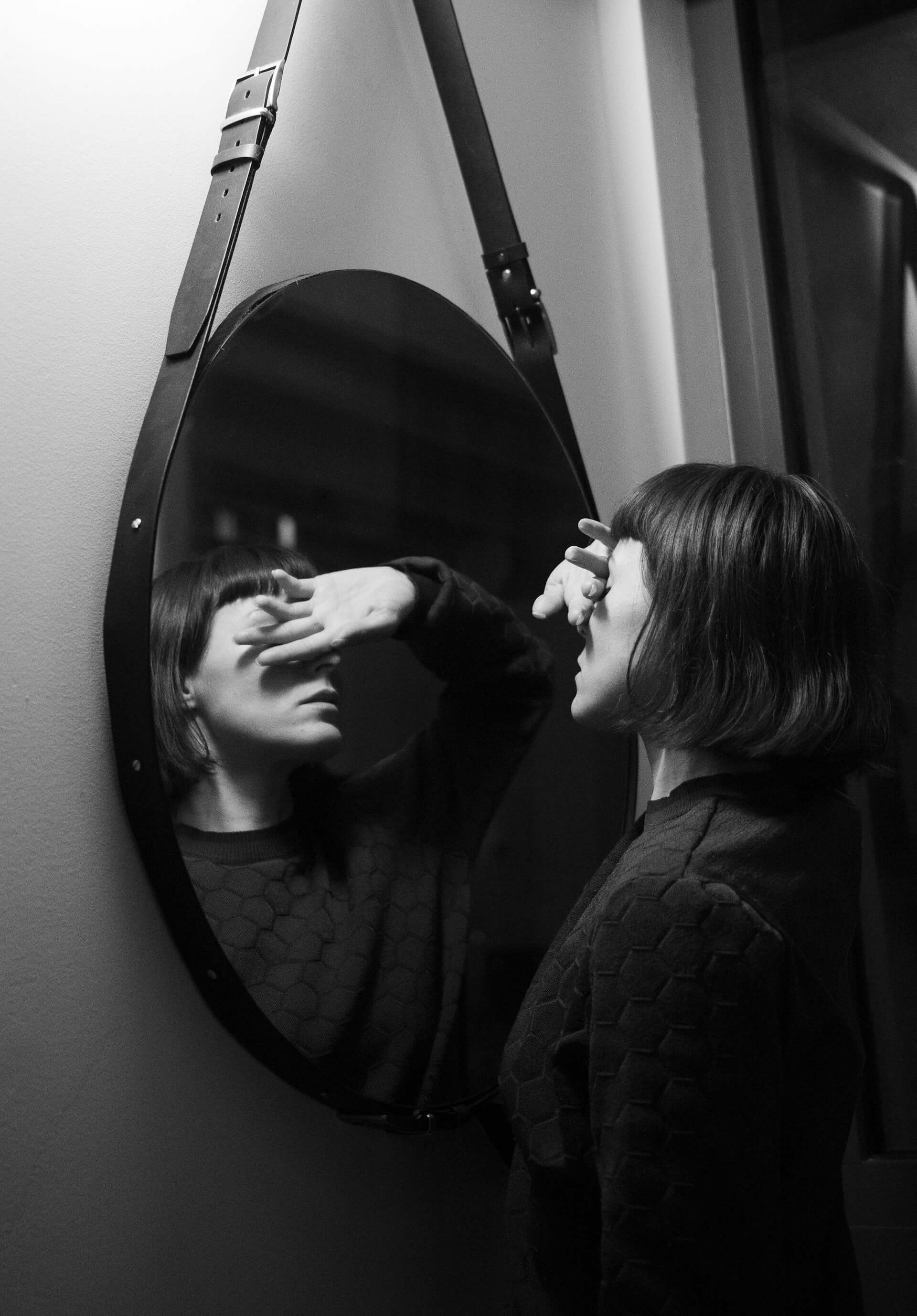
It was autumn 2012. I couldn’t focus and my body felt both constantly wired and constantly exhausted. The time felt right to visit my doctor. It was when I was ensconced in his small but cozy office that I decided to address the elephant in the room, the elephant whose name was John Merrick.
When I was a small child, my grandmother took me to see The Elephant Man, a movie about an Englishman with severe deformities who was exhibited as a human curiosity in the late 1800s. The depiction of John Merrick, and particularly his face, shocked me. But not for the reason it shocked others. In my case, I recognized John Merrick. I was John Merrick.
Ever since I was a young girl, my mother told me that I was ‘bad’. What constituted her bad was unclear to me, but not looking like everyone else certainly played a central part. It was paramount for my mother to have a daughter who looked just right. Instead she had me. Me with my crooked smile and my speech impediment.
The children at school echoed the verbal abuse I was experiencing at home. They called me names and laughed at me. I had no friends and would eat my lunch alone in the girls’ washroom. For years after I graduated, whenever I walked down the street and heard someone laugh, I felt instinctively they were laughing at me.
I didn’t get it. Why were these kids treating me this way? Didn’t they know who I was? Couldn't they see that I was smart and funny? And why did my mother want me to be like them? What was wrong with me?
After viewing the movie, I got it. I realized people saw me as they saw John Merrick. An oddity. A freak. Something less than human.
The realization was too much. I had to run away. I ran from the movie. I ran from my feelings. I kept running for 50 years until that moment at my doctor’s office. I told him of my anxiety, sadness and self-hatred, my feelings of otherness and isolation that my looking different engendered in me.
My kind doctor first sent me to a geneticist who wondered if I might have Down Syndrome. Unsurprisingly, I did not. Unfortunately I was so overwhelmed by the doctor’s inaccurate assessment that I crashed my car into a telephone pole.
Luckily I was not seriously injured but I took a three month mental health break until I felt ready to begin the search again . This time my doctor shuffled me off to a neurologist, who noticed unusual movement in my eyes. He sent me to an opthoneurologist who got very excited when he told me I did not have peripheral vision. I grew tired. I was not Exhibit A #7349 but a human being with big feelings named Katharine Angelina Love.
I went to a second geneticist who specialized in rare diseases and she finally gave me the answer I was searching for.
Moebius Syndrome ~
“What in the fresh hell is Moebius? “ I exclaimed. The geneticist kindly explained it is an extremely rare congenital disorder affecting primarily the sixth and seventh nerve. I should have been relieved, but somehow I felt betrayed. This was my worst nightmare come to life.
I knew then, deep down in my body, that my mother was right. I was a freak. I was bad. I was an unmitigated, one person disaster show and horror story.
“How could this be true?” I asked myself over and over again. All I ever wanted was to have a great big toothy grin so I wouldn’t have to witness that fleeting look that passed over most people’s eyes when they first meet me. I abhorred that look. That quick glance that both instantly singled me out and dismissed me.
I was in my first year of university when it occurred to me that all my troubles could possibly disappear if I could somehow become beautiful. People might stop hating me for the sin of being born differently. Perhaps then I could begin to be deserving of love.
That was certainly the message I received from my socially climbing parents. I was raised not to become a doctor nor a lawyer, but to become someone’s wife. To get that title of Mrs. and that final Bachelor rose, I had to somehow become beautiful.
For their sake and mine, I tried. I had rhinoplasty, a chin implant and breast reduction. I poured toxic chemicals on my hair turning my naturally brown curly locks into long blonde hair that even Farrah Fawcett would envy.
And it worked. Instead of being an object of people’s derision, I was now an object of their admiration. Women would stop me on the street to tell me how much they loved my hair. Men began to ask me out on dates. Red roses arrived by the dozen, Cristal champagne flowed, and my plan for the beautification of Katharine Angelina was complete. My work was done.
Except that it wasn’t. I was hiding another secret, one that made me feel on the inside as different as I had looked before on the outside. I liked women. I did. But what could I do with these feelings? I had finally found social acceptance and my family’s approval, and I wasn’t ready to give that all up for the touch of a woman’s lips on mine, so I buried these feelings deep into my core.
In graduate school I dated all the single Jewish boys until I found Bob, my future husband. I became pregnant and walked down the aisle in ‘91. I now had a child, a condo, and a husband. I should have been happy, but I was feeling more and more disconnected from my true nature. If was going to be a role model for my child I needed to walk my talk.
So I divorced Bob, began dating women and opened up my own psychotherapy practice.
I needed still to accept my differences and come to peace with my flawed and fractured self. I came to realize that only through surrender and acceptance would I find the love I so craved, the love I had been searching for all my life — self love.
And so I accepted-
My craving to be unconditionally loved by my family would always be present.
My desire to look perfect was so ingrained into the fabric of my being that those feelings of inadequacy would never be eradicated. Softened perhaps, but never excised.
As I diligently worked to integrate these painful emotions, a beautiful thing happened. I began slowly relaxing into my body, making friends with my crooked little self.
As I now end this telling of my story, I am reminded of the words of Raymond Carver written on a scrap of paper as he lay dying in his hospital bed. These words so resonate with me, and hopefully with all of you too..
'Late Fragment'
And did you get what you wanted from this life even so?
I did. And what did you want?
To call myself beloved.
To feel myself beloved on the earth.
When I was a small child, my grandmother took me to see The Elephant Man, a movie about an Englishman with severe deformities who was exhibited as a human curiosity in the late 1800s. The depiction of John Merrick, and particularly his face, shocked me. But not for the reason it shocked others. In my case, I recognized John Merrick. I was John Merrick.
Ever since I was a young girl, my mother told me that I was ‘bad’. What constituted her bad was unclear to me, but not looking like everyone else certainly played a central part. It was paramount for my mother to have a daughter who looked just right. Instead she had me. Me with my crooked smile and my speech impediment.
The children at school echoed the verbal abuse I was experiencing at home. They called me names and laughed at me. I had no friends and would eat my lunch alone in the girls’ washroom. For years after I graduated, whenever I walked down the street and heard someone laugh, I felt instinctively they were laughing at me.
I didn’t get it. Why were these kids treating me this way? Didn’t they know who I was? Couldn't they see that I was smart and funny? And why did my mother want me to be like them? What was wrong with me?
After viewing the movie, I got it. I realized people saw me as they saw John Merrick. An oddity. A freak. Something less than human.
The realization was too much. I had to run away. I ran from the movie. I ran from my feelings. I kept running for 50 years until that moment at my doctor’s office. I told him of my anxiety, sadness and self-hatred, my feelings of otherness and isolation that my looking different engendered in me.
My kind doctor first sent me to a geneticist who wondered if I might have Down Syndrome. Unsurprisingly, I did not. Unfortunately I was so overwhelmed by the doctor’s inaccurate assessment that I crashed my car into a telephone pole.
Luckily I was not seriously injured but I took a three month mental health break until I felt ready to begin the search again . This time my doctor shuffled me off to a neurologist, who noticed unusual movement in my eyes. He sent me to an opthoneurologist who got very excited when he told me I did not have peripheral vision. I grew tired. I was not Exhibit A #7349 but a human being with big feelings named Katharine Angelina Love.
I went to a second geneticist who specialized in rare diseases and she finally gave me the answer I was searching for.
Moebius Syndrome ~
“What in the fresh hell is Moebius? “ I exclaimed. The geneticist kindly explained it is an extremely rare congenital disorder affecting primarily the sixth and seventh nerve. I should have been relieved, but somehow I felt betrayed. This was my worst nightmare come to life.
I knew then, deep down in my body, that my mother was right. I was a freak. I was bad. I was an unmitigated, one person disaster show and horror story.
“How could this be true?” I asked myself over and over again. All I ever wanted was to have a great big toothy grin so I wouldn’t have to witness that fleeting look that passed over most people’s eyes when they first meet me. I abhorred that look. That quick glance that both instantly singled me out and dismissed me.
I was in my first year of university when it occurred to me that all my troubles could possibly disappear if I could somehow become beautiful. People might stop hating me for the sin of being born differently. Perhaps then I could begin to be deserving of love.
That was certainly the message I received from my socially climbing parents. I was raised not to become a doctor nor a lawyer, but to become someone’s wife. To get that title of Mrs. and that final Bachelor rose, I had to somehow become beautiful.
For their sake and mine, I tried. I had rhinoplasty, a chin implant and breast reduction. I poured toxic chemicals on my hair turning my naturally brown curly locks into long blonde hair that even Farrah Fawcett would envy.
And it worked. Instead of being an object of people’s derision, I was now an object of their admiration. Women would stop me on the street to tell me how much they loved my hair. Men began to ask me out on dates. Red roses arrived by the dozen, Cristal champagne flowed, and my plan for the beautification of Katharine Angelina was complete. My work was done.
Except that it wasn’t. I was hiding another secret, one that made me feel on the inside as different as I had looked before on the outside. I liked women. I did. But what could I do with these feelings? I had finally found social acceptance and my family’s approval, and I wasn’t ready to give that all up for the touch of a woman’s lips on mine, so I buried these feelings deep into my core.
In graduate school I dated all the single Jewish boys until I found Bob, my future husband. I became pregnant and walked down the aisle in ‘91. I now had a child, a condo, and a husband. I should have been happy, but I was feeling more and more disconnected from my true nature. If was going to be a role model for my child I needed to walk my talk.
So I divorced Bob, began dating women and opened up my own psychotherapy practice.
I needed still to accept my differences and come to peace with my flawed and fractured self. I came to realize that only through surrender and acceptance would I find the love I so craved, the love I had been searching for all my life — self love.
And so I accepted-
My craving to be unconditionally loved by my family would always be present.
My desire to look perfect was so ingrained into the fabric of my being that those feelings of inadequacy would never be eradicated. Softened perhaps, but never excised.
As I diligently worked to integrate these painful emotions, a beautiful thing happened. I began slowly relaxing into my body, making friends with my crooked little self.
As I now end this telling of my story, I am reminded of the words of Raymond Carver written on a scrap of paper as he lay dying in his hospital bed. These words so resonate with me, and hopefully with all of you too..
'Late Fragment'
And did you get what you wanted from this life even so?
I did. And what did you want?
To call myself beloved.
To feel myself beloved on the earth.



Comments
Cassey, Editor
“Like” is not a word to be applied to this piece given its content. Informative, well-written, interesting, worth reading are descriptors from my viewpoint.