


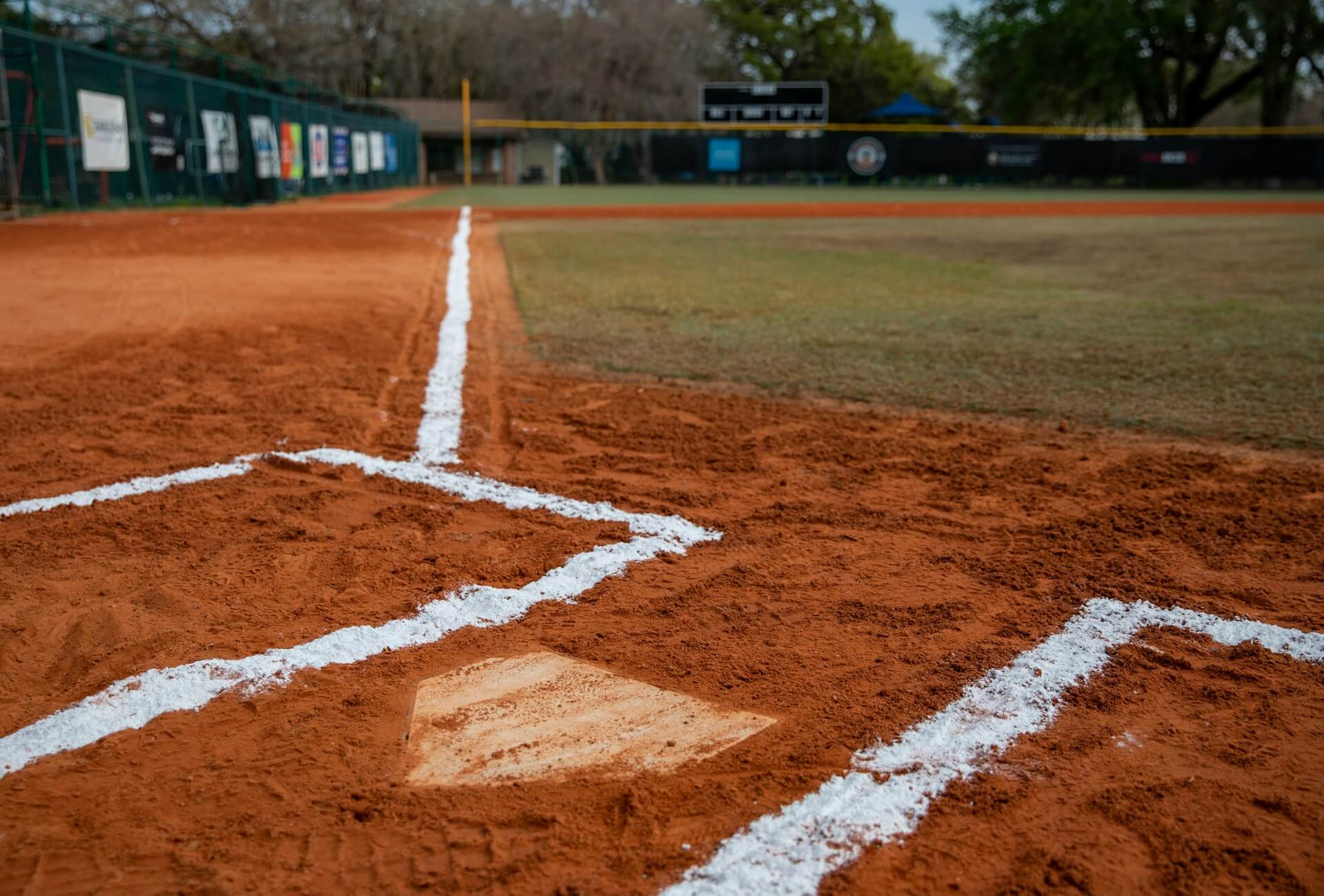
It was without a doubt the most humiliating experience of my adolescent life. It happened during our annual Sunday School picnic when I was ten years old, and my father humiliated me. The highlight of the picnic was a father-son softball game: a boys’ team against a team of dads. I eagerly took my assigned spot at second base, but my dad sat among the other spectators in the bleachers. He didn’t know anything about baseball; he'd emigrated from Poland to the U.S. at age seventeen and afterward had been wholly consumed by the need to earn a living and earn a college degree. He didn’t have time for frivolities like baseball. But he was willing to sit in the bleachers and observe his son playing.
A few innings into the game, the manager of the dads’ team looked toward the bleachers and shouted a command to my dad: “Ben, come on down, you’re going to pinch hit.” My dad was puzzled and didn’t budge, so the manager waved his hand vigorously, pointing first at my dad and then down toward home plate. When my dad did come down, the manager thrust a bat in his hands and didn’t say anything more than “Swing if it’s over the plate.” My bewildered dad gripped the bat with his hands at least four inches apart and stood with his feet squarely on top of home plate. Some of my teammates began giggling, and I blushed with shame. The manager hurriedly repositioned my dad’s hands and his feet, and then it was “game on!”
The first pitch from Sammy Miller came floating over the plate at eye level, but my dad didn’t hesitate and chopped at the ball with his bat -- and, miraculously, he made contact. From second base, I watched in amazement as the ball took one hard hop on the infield dirt, skipped past third base, and rolled down the left field line. And then I looked at my dad, who stood motionless at home plate with the bat in his hands. The other dads on the sideline shouted excitedly, “Run, Ben, run!” In response, my dad did run. But he ran down the third-base line. And he never released the bat. A group of dads intercepted him when he reached third base and turned him toward first base. They gave him a push to send him on his way, and he ran diagonally across the diamond – still holding onto the bat and nearly bumping into Sammy Miller on the pitcher’s mound -- until he reached first base.
Meanwhile, Ernie Fisher in left field caught up with the ball and, after much hesitation, threw it to the third baseman, who then threw it to me at second base. But my dad was already standing, safe, on first base. He had hit a single.
I was so humiliated that I pretended not to recognize the man standing on first base. My teammates argued with the umpire that my dad should be ruled “out” because of his very circuitous route to first base, but the umpire sided with the dads, and my dad was credited with a single. A pinch runner then replaced him, and that proved to be the end of his active baseball career. He retired with a lifetime batting average of 1.000. He also retired with the respect of his son, who ultimately came to realize why his dad had stepped up to the plate (after his initial misstep). My dad was a dignified man, a well -respected lawyer – in truth, he was more “my father” than “my dad” – who had wanted to show solidarity with his son. If the other dads were going to participate in a game with their sons, then he would, too, even if that meant sacrificing some of his dignity. I would long remember that day, the day when my father bravely stepped up to the plate.
That Sunday School softball game was, I believe, a “one-off.” Maybe there were other Sunday School picnics, other ball games, but I recall only that one. On the other hand, my father and I shared another baseball ritual. Every baseball season, he would accompany me on a pilgrimage to Griffith Stadium, the home field of the Washington Senators of the American League. Never mind that the Senators were a perennial last-place team; they were still a major league team that competed against the likes of the New York Yankees and the Boston Red Sox, against legendary players like Joe DiMaggio and Ted Williams! I was baseball crazy as an adolescent, and either alone or with a friend, I would travel by bus and streetcar to Griffith Stadium several times a year, paying sixty cents for a seat in the bleachers. Once a year, however, my father would accompany me and pay $1.50 apiece for two reserved seats in the grandstand.
During one of our annual father-son trips to Griffith Stadium, I was embarrassed by my father again, much as I had been during the Sunday School softball game. We walked up to one of the ticket booths outside the stadium, and my father put down $3 to pay for the tickets. The agent handed him two tickets, and my father noticed that the seat numbers on the tickets were not consecutive numbers. I then heard my father—whose English was impeccable, even though it was not his first or his second language—politely ask the agent, “Are these seats conterminous?” I had never before encountered the word “conterminous” but I felt sure It wasn’t the right word to be used in this situation. Maybe it would have been the right word to use in a courtroom but not at a ticket window. Couldn’t he have said “next to one another” or even “adjacent”? I blushed with shame, just as I had at the softball game. But my shame quickly turned to astonished admiration when I heard the ticket agent reply, “Yes, sir, those seats are conterminous.” You just never know, do you? (That was the day when “conterminous” entered my vocabulary, and it stayed there. I think I’ve used the word twice during the past seventy years.)
In those days, when I was a kid, major league teams always scheduled “doubleheaders” on Sundays and national holidays: that is, they would play two games during a single afternoon, with only a brief interlude between games. When my father came with me, I would insist that we attend a doubleheader – which meant spending a minimum of five hours at the stadium. Considering that my father knew nothing about the game of baseball -- not even the basic rules like three strikes and four balls, or three outs and nine innings – it must have been an act of love on his part to sit through those five hours at the stadium. He did enjoy the ambience – the lush grass of the playing field, brash fans alternately cheering and jeering the home team, the ever-present haze of cigar smoke, the aroma of freshly baked bread wafting into the stadium from two bakeries nearby – while he paid scant attention to the game in progress. But more than anything else, he enjoyed the opportunity of spending an afternoon with his son. Once a year, every year, my father – my dad -- truly stepped up to the plate.
I have, during the four decades since my father passed, caught fleeting glimpses of him – running up the third base line, speaking to the agent at the ticket window, or sitting next to me in Griffith Stadium -- whenever I have been a spectator at a baseball game. Those are images of my father that I have come to cherish. And I’m proud to proclaim that while my father was a complete novice with respect to the game of baseball, he did end his playing career with a 1.000 batting average. Well done, Dad.



Comments